
Filipino horror films offer a unique range of narratives inspired by rich folktales and legends of Filipino Culture. However, it’s also clear that these films are reliant on certain themes and tropes, especially in how they portray women. We’ve noticed that in Filipino horror films that feature female monsters there are varying recurring themes.
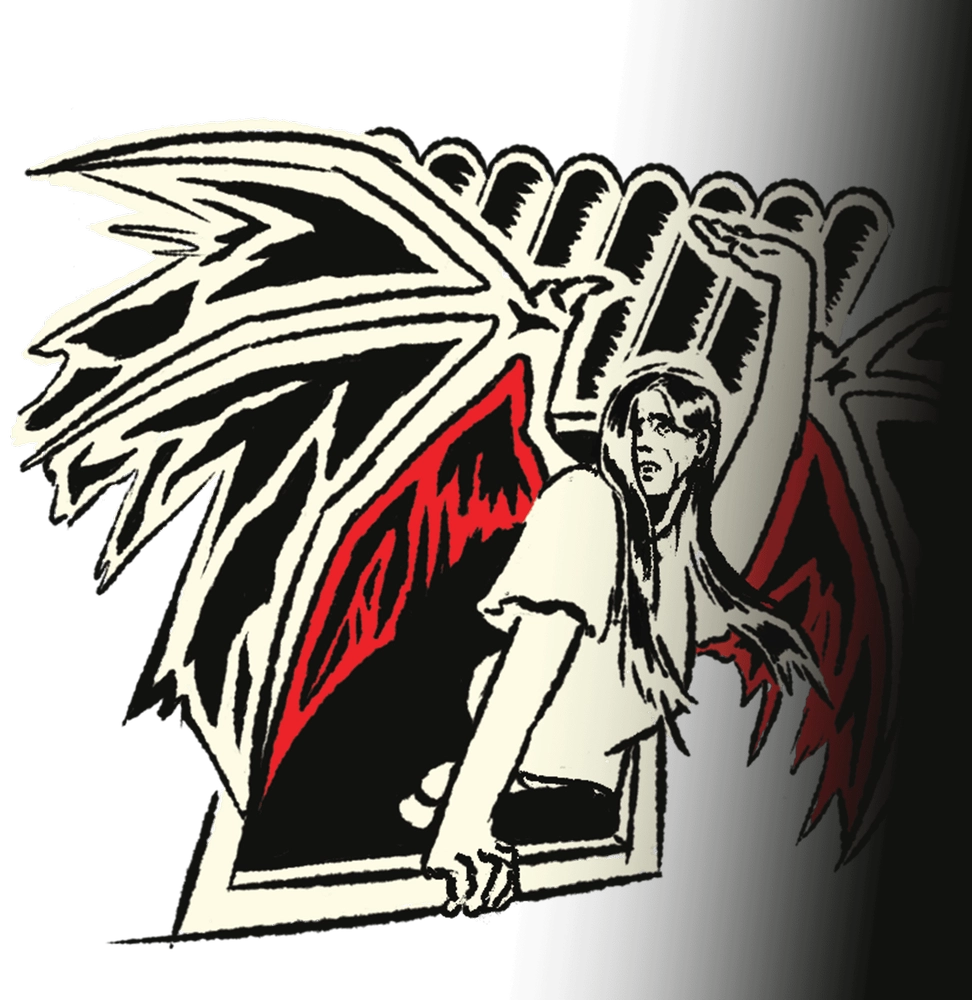
Firstly, many of the horror films draw inspiration from legendary creatures like the Aswang and the Manananggal. To mention a few, films like Mallari (2023) and Ang Manananggal sa Unit 23B (2016) feature these female monsters as the center of their storylines. Taking inspiration from folklore and legends isn’t inherently bad, but it can create repetitive storylines with one-dimensional characters. However, an exception to this is in Ang Manananggal sa Unit 23B (2016) the film presents a modern take on the Manananggal, portraying her motives as a monster in a more relatable way.
Another significant theme is the vengeful ghost, a spirit that returns from the afterlife to seek revenge for past injustices. In White Lady (2006), the White Lady was a victim of bullying and isolation before she died. Driven by a desire for vengeance, she hunts those who have wronged her, tapping into themes of betrayal and injustice. Other films that explore this theme include Eerie (2018), ‘Class Picture’ from Shake Rattle Roll X (2008), and Mary Cherry Chua (2023).
Possession is another common theme among these horror films. Female characters are frequently depicted as being overtaken by malevolent ghosts or demons.This calls into the notion of women being more susceptible to experiencing the supernatural. Films like Itim (1976) and Clarita (2019) dive into the terrifying implications of possession, showcasing characters transforming into something monstrous.
Lastly, the portrayal of 'baliw' or "crazy" female characters. This delves into the psychological aspect of horror and paints the stereotype of women as the unreliable, emotionally unstable character. These characters often behave unpredictably and show psychological instability or are labeled as ‘baliw’ by those around them. In Shake Rattle & Roll 3 (1991), multiple instances feature female ghosts and monsters defined by madness, exploring the darker aspects of identity and the female experience.
From folklore and legendary creatures like the Aswang to vengeful ghosts like the White Lady, these narratives have been engaged with repetitive tropes that may be limiting the potential to delve into the complexities of femininity and go beyond narratives enforced by gendered norms. As the horror genre continues to evolve, the portrayal of female monstrosity remains a significant aspect of Filipino storytelling as a medium to creatively reflect a deeper exploration of the human experience.